
07 August, 2025 11:09

Professor Dr. Ali Riaz, Vice-Chairman of the National Consensus Commission, has described the mob that has emerged during the interim government as a significant threat to journalism.
He stated, "The mob has emerged as a major threat to journalism, and this must be taken into account. Beyond the government, media owners, and editors, a social force has been created that is attempting to control journalism in various ways. This needs to be addressed by all stakeholders."
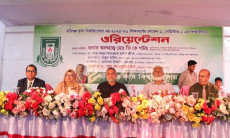
These remarks were made on Wednesday (August 6) morning at a seminar titled "Media Freedom: Exploring Grieveances and Self-Regulations," organized by the Center for Governance Studies (CGS) at the CIRDAP Auditorium in the capital.
The discussion, chaired by CGS President Zillur Rahman, included participants such as Dr. Ali Riaz, Vice-Chairman of the National Consensus Commission, Matiur Rahman Chowdhury, Editor-in-Chief of Manabzamin, and Advocate Subrata Chowdhury, President of Ganaforum.
Dr. Ali Riaz noted that since the mass uprising, a "social force" has been active alongside various other entities. Such forces typically emerge during transitions from authoritarian regimes to democratic systems. As a result, much of what is happening in the country is influenced by this force. He urged media stakeholders to find ways to navigate this situation, stating, "Questions are being raised about why so many commissions have been formed but no progress is being made. Journalists, please investigate why this is happening. Conduct inquiries into this matter."
Addressing journalists, Dr. Riaz expressed surprise, saying, "I ask with astonishment, why, despite facing challenges for 16 years, has there been no initiative from the journalists' unions or civil society to create something that reviews the past 16 years? The journalists' unions and organizations have become so divided along party lines! One editors' council has been countered by another."
Matiur Rahman Chowdhury remarked, "A large number of journalists are on the run. Many have fled the country, and cases are pending against others. Over the past 54 years, the landscape of independent journalism has not changed." He questioned the role of journalists' unions, asking, "What is the purpose of journalists' unions? Just slogans? If journalists were not divided, this situation would not have arisen." He added, "Due to the previous government tying our hands, we had to protest. Responsibility cannot be enforced through laws. Ending the National Consensus Commission meeting with a note of dissent was not the right move."
Subrata Chowdhury stated, "The media world is diseased, but this is not apparent from the outside. It hurts us when journalists file cases in lower courts. Instead, they should form a commission to address their financial grievances. What is the role of journalists' organizations? There is no job security. Many places do not provide appointment letters. The independence of the judiciary and media has become like chasing a golden deer."
Rejwanul Haque Raja, Editor-in-Chief of Maasranga Television, said, "We know a lot but cannot speak out. Even if we call the media independent, it is not. Despite the media commission proposing 15 points, the Press Council has been reconstituted instead of forming a media commission. Eighty percent of media houses do not pay salaries and benefits properly. Regular salaries and benefits must be ensured."
At the start of the event, Zillur Rahman said, "Today's discussion is about media freedom, journalists' self-regulation, and complaint resolution. The government has formed a five-member committee to ensure autonomy for Bangladesh Betar and Television. The Press Council has been reconstituted. Much has been said about media reforms, and the chief adviser has given direct instructions, but in reality, little has been achieved."
The discussion also featured Mahbub Morshed, Editor-in-Chief of Bangladesh Sangbad Sangstha (BSS), Parvez Karim Abbasi, Executive Director of CGS, Professor SM Shameem Reza of Dhaka University, Riaz Ahmed, Executive Editor of Dhaka Tribune, Professor Dr. Maudud Hossain Alamgir Pavel, Convener of BNP’s Media Cell, Manjurul Islam, Executive Editor of Bangladesh Pratidin, and senior journalist Zahid Newaz Khan, among others.

 আওয়ামী লীগের শীর্ষ নেতৃত্বে আসছে যে তিন নতুন মুখ বেতার কণ্ঠশিল্পী সংসদের নতুন কমিটির যাত্রা শুরু সাভারে সিলিন্ডার বিস্ফোরণে নিহত ৬, আহত ২০ এবার লিটারপ্রতি ২০ টাকা করে বেড়েছে জ্বালানি তেলের দাম ফ্ল্যাটে তরুণীর মরদেহ: স্ত্রীসহ পুলিশ হেফাজতে জামায়াত-এমপি নজরুল মরিয়মের মৃত্যু: পাশের কক্ষেই ছিলেন এমপি নজরুল জাফর ইকবালসহ ৮ জনের বিরুদ্ধে গ্রেপ্তারি পরোয়ানা মঙ্গলবার শাহজালাল মাজার ব্যবস্থাপনা কমিটির সভা ডেকেছেন বাণিজ্যমন্ত্রী এমপি গাজী নজরুলের সাথে থাকা সেই তরুণীর মরদেহ উদ্ধার হত্যার পরদিন অপ্রতিমের মায়ের সাথে দেখা করে স্বান্তনা দেয় ‘খুনি’রা সিলেটে দুর্গামণ্ডপে ঢুকে প্রতিমা ভাঙচুর, যুবক কারাগারে নতুন কমিটি পেল সিলেট জেলা ও মহানগর যুবদল, দায়িত্বে কারা সিলেটে ভোক্তা অধিকারের অভিযানে যে কারণে জুতার দোকানে তালা হবিগঞ্জে চা বাগান থেকে বৃদ্ধের মরদেহ উদ্ধার জগন্নাথপুরে নদীতে গোসলে নেমে শিশু নিখোঁজ, দুইদিন পর ভেসে উঠল লাশ আওয়ামী লীগের শীর্ষ নেতৃত্বে আসছে যে তিন নতুন মুখ বেতার কণ্ঠশিল্পী সংসদের নতুন কমিটির যাত্রা শুরু সাভারে সিলিন্ডার বিস্ফোরণে নিহত ৬, আহত ২০ এবার লিটারপ্রতি ২০ টাকা করে বেড়েছে জ্বালানি তেলের দাম ফ্ল্যাটে তরুণীর মরদেহ: স্ত্রীসহ পুলিশ হেফাজতে জামায়াত-এমপি নজরুল মরিয়মের মৃত্যু: পাশের কক্ষেই ছিলেন এমপি নজরুল জাফর ইকবালসহ ৮ জনের বিরুদ্ধে গ্রেপ্তারি পরোয়ানা মঙ্গলবার শাহজালাল মাজার ব্যবস্থাপনা কমিটির সভা ডেকেছেন বাণিজ্যমন্ত্রী এমপি গাজী নজরুলের সাথে থাকা সেই তরুণীর মরদেহ উদ্ধার হত্যার পরদিন অপ্রতিমের মায়ের সাথে দেখা করে স্বান্তনা দেয় ‘খুনি’রা সিলেটে দুর্গামণ্ডপে ঢুকে প্রতিমা ভাঙচুর, যুবক কারাগারে নতুন কমিটি পেল সিলেট জেলা ও মহানগর যুবদল, দায়িত্বে কারা সিলেটে ভোক্তা অধিকারের অভিযানে যে কারণে জুতার দোকানে তালা হবিগঞ্জে চা বাগান থেকে বৃদ্ধের মরদেহ উদ্ধার জগন্নাথপুরে নদীতে গোসলে নেমে শিশু নিখোঁজ, দুইদিন পর ভেসে উঠল লাশ মোবাইল ফোন ছিনিয়ে নিতেই অপ্রতিমকে পিটিয়ে হত্যা : পুলিশ অপ্রতিম হত্যার রহস্য উদঘাটনের দাবি পুলিশের আট মাসে ৩৬ নিখোঁজ শিশুর মরদেহ উদ্ধার, এখনও নিখোঁজ প্রায় দুই হাজার অপ্রতিম হত্যা: আটক তুহিনের বাড়ি থেকে সেই আইফোন উদ্ধার অপ্রতিম হত্যা: সিসিটিভি ফুটেজ দেখে ৩ জনকে আটক সিলেটে মাদ্রাসায় না পড়তে ‘নিজেরাই আত্মগোপন’ করে সেই দুই কিশোর, যেভাবে উদ্ধার সিলেটে প্রধানমন্ত্রীকে নিয়ে ‘কটূক্তির’ অভিযোগে ছাত্রলীগ কর্মী আটক সিলেটে কারাগার পরিদর্শন করলেন স্বরাষ্ট্র মন্ত্রণালয়ের সিনিয়র সচিব এমসি কলেজ বাংলা বিভাগ অ্যালামনাইর সভা অনুষ্ঠিত বিয়ানীবাজারে চাচার বিরুদ্ধে পঞ্চম শ্রেণির ছাত্রী ভাতিজিকে ধর্ষণের অভিযোগ


Design and Developed by
 IT Lab Solutions Ltd.
IT Lab Solutions Ltd. - Top software and web development company in Bangladesh.






আপনার মন্তব্য