
19 July, 2026 12:44
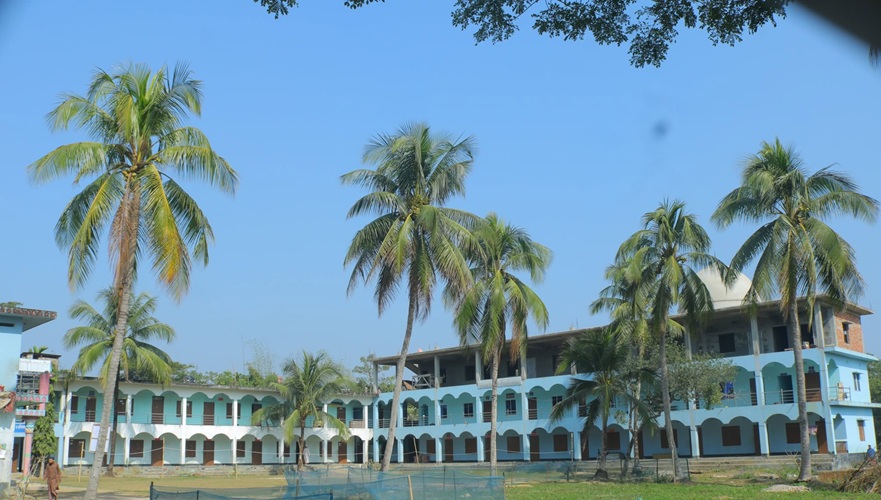
The Deobandi education movement, which began in the mid-19th century in the small town of Deoband in Uttar Pradesh, India, has found its largest global center a century and a half later in Bangladesh. In terms of the number of institutions, student enrollment, and the pace of expansion, Bangladesh's Qawmi madrasa system has now surpassed both India and Pakistan.
Following the Sepoy Mutiny of 1857, Darul Uloom Deoband was established in 1866 under the leadership of Maulana Qasim Nanotavi to provide religious education and spark a Muslim revival. Over time, this stream of education spread across the Indian subcontinent. While it developed independently following the partition of India, its fastest expansion in recent decades has occurred in Bangladesh. Today, nearly 60% of all students studying in Deobandi or Qawmi madrasas worldwide reside in Bangladesh—a student population almost three times larger than that of Pakistan.
The Massive Scale of Qawmi Madrasas in Bangladesh
According to data from Wafaqul Madarisil Arabia Bangladesh (Befaq), the country’s largest Qawmi education board, there are currently around 32,730 registered madrasas under its jurisdiction. The student enrollment in these institutions is estimated to be around 7 million. Additionally, other smaller Qawmi boards oversee more than 10,000 madrasas. Consequently, insiders estimate that the total number of Qawmi institutions in Bangladesh has crossed the 40,000 mark.
In contrast, the latest data from the All India Deeni Taleemi Board, run under Jamiat Ulama-e-Hind, shows that they monitored 20,900 educational institutions with 2,371,404 students in 2024.
Meanwhile, Wafaqul Madarisil Arabia Pakistan reports a total of 27,048 registered madrasas with an enrollment of 2,402,323 students.
This comparative picture clearly demonstrates that Bangladesh is now the global epicenter of Deobandi education in terms of both institutions and student strength. The growth is also accelerating rapidly. Befaq data reveals that 354,036 students participated in the central examinations this year, compared to 225,631 students in 2022—representing a staggering 57% increase in examinees in just four years.
Socioeconomic Realities Driving Enrollment Growth
Educationists attribute this sharp rise in Qawmi students to Bangladesh’s socioeconomic realities. For marginalized and low-income families, Qawmi madrasas serve as a highly practical alternative education system.
Dr. Md. Abdus Salam, a professor at the Institute of Education and Research (IER) at Dhaka University, shared his insights on this trend: "Poverty is one of the primary reasons driving the growth of Qawmi madrasa enrollment among marginalized groups in the country. Most madrasas offer education entirely free of charge or at a nominal cost. Furthermore, because these institutions provide free residential and boarding facilities, working-class and low-income families are highly motivated to send their children here."
The formal journey of Qawmi education in Bangladesh began in 1901 with the establishment of Al-Jamiatul Ahlia Darul Uloom Moinul Islam Hatazari in Chittagong. Modeled after Darul Uloom Deoband in India, this spiritual institution became the nucleus from which Qawmi education expanded across the nation. Although thousands of Qawmi madrasas now operate throughout the country, they still remain largely outside the government's formal registration framework.
The Status of Government Recognition: India, Pakistan, and Bangladesh
In India, while most Deobandi madrasas are not directly registered with the government, the umbrella organizations managing them are legally recognized entities. The governing body of the historic Darul Uloom Deoband, the 'Shura Society', is registered under the Societies Registration Act and operates as a constitutionally recognized minority educational institution.
In Pakistan, the various tiers of the education system managed by Wafaqul Madarisil Arabia Pakistan are formally recognized by the state.
However, in Bangladesh, the lack of widespread government recognition remains a significant challenge for Qawmi education. In 2018, the highest tier of Qawmi education, Dawaye Hadith, was officially granted equivalence to a Master’s degree in Islamic Studies and Arabic. Following this recognition, 'Al-Haiatul Ulya Lil-Jamiatil Qawmia Bangladesh' was formed, uniting the six major Qawmi boards to conduct the centralized Dawrae Hadith examinations.
Despite this breakthrough, the primary and secondary tiers of Qawmi education remain outside the government recognition framework. Consequently, a vast number of students who do not reach the Dawrae Hadith level face severe limitations when attempting to enter the formal job market or transition to mainstream higher education.
In this year's Dawrae Hadith examination, 23,881 students participated, including 15,268 male and 8,613 female students, sitting for exams across 104 male and 155 female examination centers nationwide.
Internal Debates: Autonomy vs. State Integration
The rapid expansion of Qawmi madrasas has sparked diverse viewpoints within Bangladesh's Islamic scholarly community. While some view it as the most effective medium for preserving Islamic values, others emphasize the urgent need for state monitoring and structured academic integration.
Maulana Mahmudul Hasan, Director of Fatehpur Madrasa in Hatazari, Chittagong, argued: "Although the number of state-backed Alia madrasas in the country is high, they have struggled to fulfill the true objective of traditional Islamic education. Qawmi madrasas play the most vital role in spreading authentic Islamic knowledge. This is precisely why the general public's trust and interest in this stream of education are growing day by day."
On the other hand, Zainul Abedin Zubair, former Principal of Chittagong Nesaria Kamil Madrasa, believes Qawmi madrasas must integrate further with the state framework. He noted: "Qawmi madrasas are not officially registered, and in many instances, there is an internal reluctance to come under a state framework. As a result, they operate under an isolated management system where external quality control or structured evaluation is highly limited."
Principal Zubair warned that running two entirely parallel systems of religious education over the long term is not healthy for a cohesive national education policy.
"If we can bring Qawmi madrasas under a registration framework that ensures state audits, quality control, and a collaborative curriculum design involving both government experts and madrasa scholars, students will gain professional, market-driven skills alongside their religious education. The government should engage with Qawmi leaders to build an acceptable framework that integrates them into the national system, while fully respecting their religious sensitivities and institutional autonomy."
The Employment Crisis of Qawmi Graduates
The massive expansion of Qawmi education is no longer just a religious phenomenon; it is a critical piece of the country's educational reality. However, researchers warn that if the rapid institutional growth is not balanced with curriculum modernization and formal employment opportunities, the economic potential of millions of students will remain untapped by the mainstream economy.
While some Qawmi board leaders fear that government registration might compromise the unique character of their education system, independent research indicates that the lack of formal recognition severely restricts employment.
A study conducted by the BRAC Institute of Governance and Development (BIGD) titled "Employment and Expectations of Former Madrasa Students in Cox's Bazar: A Cross-Sectional Exploration" highlighted a stark reality. The research revealed that only 2.17% of Qawmi madrasa graduates secure employment in formal government or private sectors. A massive 46.55% find work exclusively within religious institutions as Imams, Muezzins, Khatibs, or madrasa teachers. The remaining graduates resort to small businesses, micro-entrepreneurship, or informal manual labor.
This employment bottleneck is vividly reflected in the life of Mohammad Abdullah, an alumnus of Jamia Madania Islamia Kazirbazar in Sylhet. After completing his Dawrae Hadith degree last year, Abdullah initially joined a madrasa as a teacher. However, the low financial returns forced him to change his career path.
Abdullah shared his story: "Though I loved teaching at the madrasa, the meager salary made it impossible to support my family. A few months ago, I decided to switch to the printing business. I now run a small printing house in the Laldighir Paar area of Sylhet city. Many of my fellow Qawmi classmates have similarly abandoned teaching to take up retail business or other informal trades just to survive."
The Path Forward: Collaborative Governance
The unrestricted expansion of Qawmi madrasas and the ongoing complications surrounding registration are rooted in deep socioeconomic realities and the lack of a comprehensive state policy. Stakeholders argue that a sustainable solution requires an open dialogue between the government and Islamic scholars to build a transparent, collaborative registry.
Maulana Obaidur Rahman Khan Nadwi, Director General of Befaq, explained the institutional gaps: "The soaring costs of mainstream secular education, combined with parents' growing desire for moral and ethical grounding, drive many families to choose low-cost Qawmi madrasas. In Pakistan, the Qawmi system has long operated under well-organized, government-recognized boards, making their registration processes smoother. Bangladesh has yet to develop that level of structural coordination."
Acknowledging the challenges of unregulated growth, the Befaq Director General added: "It is true that many Qawmi madrasas are being set up purely through individual initiative without proper vetting, which sometimes leads to institutional indiscipline or raises concerns regarding child welfare. However, under the guise of registration, no system should be introduced that harms long-standing, well-established institutions. Furthermore, many English-medium schools and private kindergartens in Bangladesh also evade government registration, so this should not be viewed strictly as an isolated Qawmi problem."
Ultimately, the consensus among researchers and progressive scholars is clear: Bangladesh must find a delicate balance. The country needs a framework that honors the spiritual autonomy of the Deobandi tradition while equipping its millions of students with the modern skills necessary to thrive in a globalized economy.


 মদিনা মার্কেটে মারামারি: সজিব-রব্বানীর সংশ্লিস্টতা মিলেনি, স্বেচ্ছাসেবক দলের দুই নেতা বহিষ্কার ফাইনালের আগে যা বললেন মেসি আর্জেন্টিনা নাকি স্পেন, মেসি নাকি ইয়ামাল জুলাইয়ে হওয়া ৩টি বিশ্বকাপের ফাইনালেই হেরেছে আর্জেন্টিনা, এবার কী হবে সিলেট থেকে দেশের ১৮টিরও বেশি রুটে বিআরটিসির এসি নন-এসি ও স্পেশাল কোচ সার্ভিস চালু সিলেটে ছাত্রলীগের মিছিল: ২৬ জনের নামোল্লেখ করে মামলা, আসামি ৫১ শতক ছুঁল সিলেটে হামে মৃত্যুর সংখ্যা শাবিপ্রবিতে শিক্ষার্থীকে মারধর: ক্যাম্পাসে বিক্ষোভ, দুই ছাত্রদল নেতা বহিস্কার ঢাকা-সিলেট মহাসড়ক অবরোধ মেসি ফাইনালেও গোল করবেন, নিশ্চিত এমবাপ্পে সিলেটে সপ্তাহজুড়ে অব্যাহত থাকবে ভারী বৃষ্টি আচমকা ফেসবুক বিভ্রাট সিলেট উইমেনস জার্নালিস্ট ক্লাবের চতুর্থ প্রতিষ্ঠাবার্ষিকী উদযাপিত নাটক কম করেন প্রিয়: প্রধানমন্ত্রীর উদ্দেশে নাহিদ ইসলাম শাবিপ্রবিতে ক্যান্টিনের খাবার নিয়ে অভিযোগ করায় শিক্ষার্থীকে ছাত্রদল নেতাদের ‘মারধর’ মদিনা মার্কেটে মারামারি: সজিব-রব্বানীর সংশ্লিস্টতা মিলেনি, স্বেচ্ছাসেবক দলের দুই নেতা বহিষ্কার ফাইনালের আগে যা বললেন মেসি আর্জেন্টিনা নাকি স্পেন, মেসি নাকি ইয়ামাল জুলাইয়ে হওয়া ৩টি বিশ্বকাপের ফাইনালেই হেরেছে আর্জেন্টিনা, এবার কী হবে সিলেট থেকে দেশের ১৮টিরও বেশি রুটে বিআরটিসির এসি নন-এসি ও স্পেশাল কোচ সার্ভিস চালু সিলেটে ছাত্রলীগের মিছিল: ২৬ জনের নামোল্লেখ করে মামলা, আসামি ৫১ শতক ছুঁল সিলেটে হামে মৃত্যুর সংখ্যা শাবিপ্রবিতে শিক্ষার্থীকে মারধর: ক্যাম্পাসে বিক্ষোভ, দুই ছাত্রদল নেতা বহিস্কার ঢাকা-সিলেট মহাসড়ক অবরোধ মেসি ফাইনালেও গোল করবেন, নিশ্চিত এমবাপ্পে সিলেটে সপ্তাহজুড়ে অব্যাহত থাকবে ভারী বৃষ্টি আচমকা ফেসবুক বিভ্রাট সিলেট উইমেনস জার্নালিস্ট ক্লাবের চতুর্থ প্রতিষ্ঠাবার্ষিকী উদযাপিত 60% of Deobandi Students Now in Bangladesh: Country Surpasses India and Pakistan in Qawmi Education নাটক কম করেন প্রিয়: প্রধানমন্ত্রীর উদ্দেশে নাহিদ ইসলাম শাবিপ্রবিতে ক্যান্টিনের খাবার নিয়ে অভিযোগ করায় শিক্ষার্থীকে ছাত্রদল নেতাদের ‘মারধর’ এমবাপের রেকর্ড, সাকার হ্যাটট্রিকের ১০ গোলের থ্রিলারে ইংল্যান্ডের ব্রোঞ্জ জয় সাঁথিয়ায় আওয়ামী লীগ নেতাকে গলা কেটে হত্যা সিসিকের প্রধান নির্বাহী কর্মকর্তার নাম ব্যবহার করে অনুদান দেওয়ার নামে প্রতারণা ঢাবিতে শিবিরের অনুষ্ঠানে গিয়ে মোবাইল ফোন হারালেন জামায়াতের এমপি আরমান সিলেট প্রেসক্লাব সাংবাদিক এটিএম তুরাব স্মৃতি পদক' পেলেন আবদুল কাদের তাপাদার বিষ নামানোর দাবি করা সাপুড়েই এবার সাপের কামড়ে হাসপাতালে Awami League Leader’s House Bulldozed, Looted, and Torched in Patuakhali পটুয়াখালীতে আওয়ামী লীগ নেতার বাড়ি বুলডোজারে ভাঙচুর, লুটপাটের পর আগুন কথা রাখলেন আরিফ, পৌরসভায় উন্নীত হচ্ছে জৈন্তাপুর


Design and Developed by
 IT Lab Solutions Ltd.
IT Lab Solutions Ltd. - Top software and web development company in Bangladesh.





আপনার মন্তব্য