

09 September, 2026 00:06
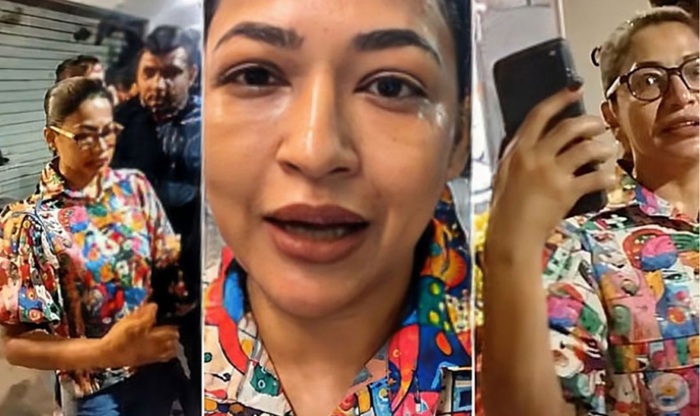
Photo: Collected
Actress Azmeri Haque Badhon traveled to Italy to attend the screening of the film 'The Difficult Bride', directed by Rubaiyat Hossain, at the 83rd Venice International Film Festival. Yesterday, Monday night (September 8), while visiting a local park with her brother and his family, she was harassed by a group of expatriate Bangladeshis. Badhon went live on Facebook to describe the incident in detail, holding leaders and activists of the Awami League and Chhatra League responsible for the attack.
The incident of harassing actress Badhon by splashing water on her is, in fact, a dangerous continuation of turning mob culture or mob violence into a practiced norm.
The debate that emerged in the public sphere following the incident has exposed the double standards of our political and cultural arenas. However, the positive takeaway from this incident is that those who had been condoning mobs until now are at least realizing, courtesy of this event, that attacks and mob justice are deplorable and part of a toxic culture.
Of course, this does not mean that individuals who remained silent or supported mobs in the past cannot protest the attack on Badhon today. Regardless of ideology, everyone has the right to speak out against any injustice. But the fundamental question pertains to the consistency of one's moral compass.
If morality is centered around partisan or political divisions, it ceases to be morality and becomes mere political opportunism. Practicing universal morality requires ending this double standard of speaking up when one's political or ideological side falls victim to a mob, while gloating or staying silent when the opposing side is attacked. But the reality is that this practice is unfortunately absent today.
The history of most of those who have entered a race to prove themselves virtuous, principled, and civilized after seeing Badhon's distressed reaction to the water attack is quite different. Over the past two years, when hundreds of women and artists like Meher Afroz Shaon or Rokeya Prachy faced mob attacks, harassment, and assault in the country, a large section of today's moralizers remained silent or conveniently attempted to justify those mobs.
I am not suggesting here that people who supported mobs in the past cannot protest against mobs targeting their opponents today. Regardless of ideology, everyone has the right to stand against any attack; one even has the right to selective protest.
If you are truly driven by principles against mob culture, you must not view events through a biased lens, but rather with an even eye and by the same standard. And if your moral stance is solely partisan, then just as you have the right to protest, you also reserve the right to stay silent or refrain from doing so.
However, if your morality is universal, you should protest all injustices equally. Unless this hypocrisy—raising one's voice when one's political or ideological ally is mobbed while remaining silent or applauding when an opponent is targeted—is halted, the culture of mob justice will never end.
Courtesy of the media, Badhon is a prominent figure in the country. During the Awami League regime, she was largely a 'foot-soldier' of the party, even participating directly in election campaigns. She transformed during the July '24 movement. Whether this transformation was driven by monetary incentives or genuine ideological shift remains unknown to me. When someone changes character rapidly, it can be reasonably assumed that the possibility of switching allegiances again in the future remains.
This incident involving Badhon does not feel like an attack on an individual alone; it feels like an attack on the July movement. Just as one group of people in this country embraces July, another rejects it. July has created a division between a winning faction and a defeated faction in the country. As the pro-July faction continues to nurture and impose this division across political, social, and cultural spheres, this rift will persist. A preliminary resolution regarding July occurred during the last election. If analyzed from a referendum perspective, out of 127.3 million total voters, only 47.2 million voted 'Yes' or supported the July Charter—which translates to just 37.1 percent. Although the figure appears different when calculated based on cast votes (61.64%), in an overall national calculation, the total number of eligible voters inevitably becomes the primary benchmark.
Questions have been raised about whether actress Azmeri Haque Badhon possesses a strong sense of ethics. In a video by actor Symon Sadik, he mentioned that after August 5 of '24, when a 65-year-old woman fell victim to gang rape, he reached out to Badhon seeking assistance. However, Badhon rejected the plea. As a human being, such conduct serves as evidence of a base nature.
This 'Venice-Gate' incident does not particularly move me. Like all other mob incidents, this too is simply a tragic event. I am merely looking for lessons to extract from it. If we feel the urge to move away from the opportunistic habit of condemning when an incident goes against our side and praising when it favors us, that alone will be our achievement.
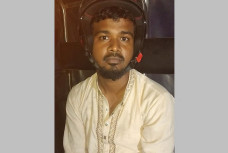
I call this incident in Italy a mob action, and I view it as a continuation of a state-sanctioned mob culture. Although the same old factional reactions were observed here, we still have not witnessed genuine opposition to mob culture itself. Proof of this was seen back in Bangladesh, where a mob responded to a mob. Following the incident in Italy, local activists of the Anti-Discrimination Student Movement and the NCP formed a mob at the village home of Monirul Hawlader (24) in the Khalanikandi area under Dhurail Union of Madaripur Sadar Upazila. Fearing them, the family members went into hiding.
Although no initial property damage was reported, it proves that mobs have not been eliminated and that the pattern of indulging mobs persists from the state level. What was the fault of the family that fled their home? The administration failed to provide them with security or take any reassuring measures. Consequently, the mob problem remains exactly where it was.

 সিলেটে ফুটপাত দখলমুক্ত করতে অভিযান, ৯ হকার আটক টিকিট কালোবাজারি, সিলেট রেল স্টেশন থেকে রেল পুলিশের দুই সদস্য আটক ফ্যামিলি কার্ড দেওয়ার কথা বলে টাকা নেওয়ার অভিযোগে এনসিপি নেত্রী আটক সুনামগঞ্জের ৩ যুবককে কাশ্মীরে পাচার করে মুক্তিপণ দাবির অভিযোগ ইতালিতে বাঁধনকে হেনস্তা: প্রবাসীর বাড়িতে বৈছা-এনসিপির নেতাকর্মীরা, ঘরে তালা নভেম্বরে সিলেটের মাঠে বাংলাদেশ-ওয়েস্ট ইন্ডিজ টেস্ট জিন্দাবাজারে অটোরিকশার ধাক্কায় মোটর সাইকেল থেকে ছিটকে পড়ে শিশু নিহত চাঁদাবাজির অভিযোগকে সম্পূর্ণ ভিত্তিহীন বললেন খাদিমনগর ইউপি চেয়ারম্যান সিলেটে কিশোরীকে আটকে শিকল বেঁধে সড়কে ঘোরাল কারা? ঢাকার দুই সিটিতে এনসিপির মেয়র প্রার্থী আসিফ ও পাটওয়ারী একটি অভিযোগও সত্য প্রমাণ হলে স্বেচ্ছায় পদত্যাগ করব: সিকৃবি উপাচার্য এবার ওসমানী হাসপাতালের চিকিৎসকদের কর্মঘন্টা না মানার ‘প্রমাণ পেল’ দুদক সিলেটে অনিবন্ধিত সিএনজি অটোরিকশা ও ব্যাটারি রিকশা বন্ধের নির্দেশ রেমা-কালেঙ্গার গহিন বনে বিশালাকৃতির কাঠবিড়ালি সিলেট জেলা ক্রীড়া সংস্থায় ফের এডহক কমিটি, এবার সদস্য সচিব নাচন সিলেটে ফুটপাত দখলমুক্ত করতে অভিযান, ৯ হকার আটক টিকিট কালোবাজারি, সিলেট রেল স্টেশন থেকে রেল পুলিশের দুই সদস্য আটক ‘Venice-Gate’, Mobs, and Our Disguised Morality Harassment of Badhon in Italy: NCP Mob At Expatriate's Home in Bangladesh; House Locked, Family in Hiding ফ্যামিলি কার্ড দেওয়ার কথা বলে টাকা নেওয়ার অভিযোগে এনসিপি নেত্রী আটক 8 temples, prayer rooms hit by thefts in Sreemangal's Bhunbir সুনামগঞ্জের ৩ যুবককে কাশ্মীরে পাচার করে মুক্তিপণ দাবির অভিযোগ ইতালিতে বাঁধনকে হেনস্তা: প্রবাসীর বাড়িতে বৈছা-এনসিপির নেতাকর্মীরা, ঘরে তালা নভেম্বরে সিলেটের মাঠে বাংলাদেশ-ওয়েস্ট ইন্ডিজ টেস্ট জিন্দাবাজারে অটোরিকশার ধাক্কায় মোটর সাইকেল থেকে ছিটকে পড়ে শিশু নিহত চাঁদাবাজির অভিযোগকে সম্পূর্ণ ভিত্তিহীন বললেন খাদিমনগর ইউপি চেয়ারম্যান সিলেটে কিশোরীকে আটকে শিকল বেঁধে সড়কে ঘোরাল কারা? ঢাকার দুই সিটিতে এনসিপির মেয়র প্রার্থী আসিফ ও পাটওয়ারী একটি অভিযোগও সত্য প্রমাণ হলে স্বেচ্ছায় পদত্যাগ করব: সিকৃবি উপাচার্য এবার ওসমানী হাসপাতালের চিকিৎসকদের কর্মঘন্টা না মানার ‘প্রমাণ পেল’ দুদক সিলেটে অনিবন্ধিত সিএনজি অটোরিকশা ও ব্যাটারি রিকশা বন্ধের নির্দেশ রেমা-কালেঙ্গার গহিন বনে বিশালাকৃতির কাঠবিড়ালি সিলেট জেলা ক্রীড়া সংস্থায় ফের এডহক কমিটি, এবার সদস্য সচিব নাচন সিলেটে ডা. প্রান্ত’র মৃত্যু: যেসব প্রশ্নের উত্তর মিলছে না বিদেশ যাত্রীদের সাথে প্রতারণা, সিলেটের মেডিকেল সেন্টারকে লাখ টাকা জরিমানা সিলেটে পুলিশ কর্মকর্তার নাম-ছবি ব্যবহার করে ফেসবুকে ধর্ম অবমাননাকর পোস্ট, থানায় জিডি যুদ্ধাপরাধী আযাদের আপিল গ্রহণের শুনানি ৪ সপ্তাহ মুলতবি আওয়ামী লীগ রাজনৈতিক দল নয়, মাফিয়া গ্যাং: বাঁধনকে হেনস্তা প্রসঙ্গে তথ্য উপদেষ্টা এই অবস্থা চলতে থাকলে গৃহযুদ্ধ আসন্ন : মম শ্রীমঙ্গলে ভেজাল ও মানহীন পণ্য বিক্রি, ৬০ হাজার টাকা জরিমানা


Design and Developed by
 IT Lab Solutions Ltd.


আপনার মন্তব্য